
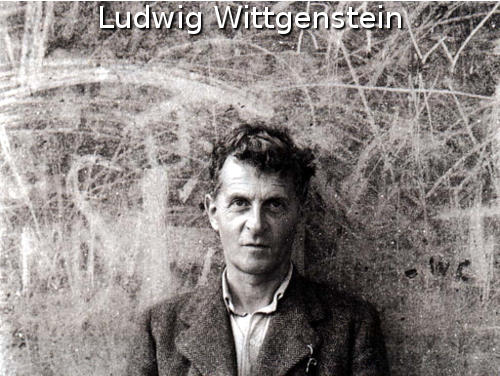
I grant that it is at least peculiar to open a discussion of teaching with Wittgenstein, by all accounts a horrible and relentlessly cruel teacher himself, but it was also he who observed that,
Die Philosophie ist keine Lehre, sondern eine Tätigkeit. --Tractatus 4.1.1.2
Philosophy is neither doctrinal nor theoretical. It does not consist of propositions helpful to know or interesting to test. It is not some body of knowledge you learn or master; it is something you do. It's an activity.
Wittgenstein has a great deal more to say about philosophy qua activity inasmuch as it is key to his overall project in the Tractatus. Regardless of his reasons or even whether a distinction between theory and activity can be drawn sufficiently sharply, I think his emphasis on philosophy as an activity has important implications for teaching philosophy.
For if philosophy is an activity, then learning philosophy and teaching philosophy just is doing philosophy in much the same way it has always been done: groups of people trying to understand the questions puzzling them and diligently searching for answers.
So teaching philosophy is neither reading notecards nor expounding on powerpoint presentations. It is, rather, a matter of deftly posing problems, challenging assumptions, and searching together for answers.
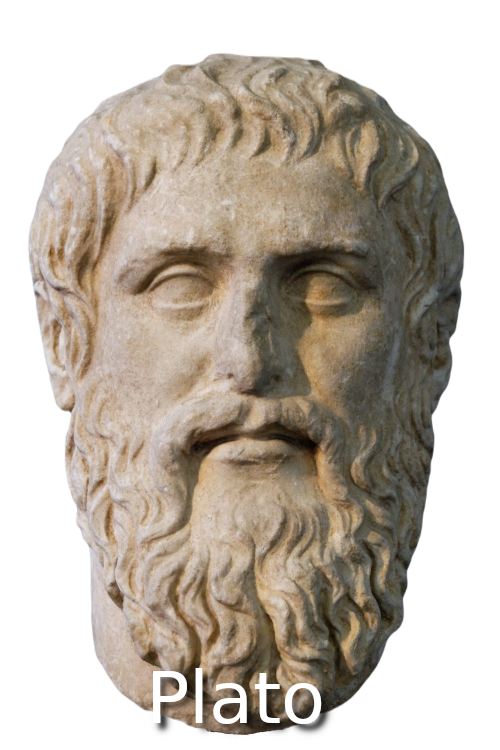
Indeed, this was Plato's insight. He presented his philosophical works as dialogues, inviting the reader to join in the discussions while forcefully showing that any philosophical work just is doing philosophy. Wittgenstein merely says what Plato has shown us.
I suspect that's why philosophy courses feel different--sometimes unnervingly so--from other classes. Students are invited to join the grand discussions with the professor, bringing with them their experience, insights, and discoveries. And like any activity, the more one does it, the better one gets at it. Even the most halting, obtuse, and inelegant contributions are but the starting point for ultimately refined, nuanced, and sophisticated forays.
I've organized these discussions into the following sections:
Finding Philosophy offers curated links to some of the best ways to locate philosophical works.
Reading Philosophy offers advice on how to approach philosophical works in such a way that reading philosophy is, likewise, doing philosophy.
Writing Philosophy examines how doing philosophy culminates in writing philosophy and explains why that step is so important.
My Courses provides descriptions of the courses I've been privileged to offer over the last twenty years or so, in some cases to cumulatively many thousands of students.
My Classes breaks down each course into its readings, notes, handouts, graphics, and videos (as appropriate), as well as its typical schedule, assignments, examinations, and daily synopses--the sum of the machinery, in other words, at the heart of a hopefully well-delivered course. Each 'class' per se can be understood, albeit somewhat crudely, as a continually evolving textbook.